


Blog
Professional Development Should Engage Educators like the Learners They Are
Written by Stacie Sanders Evans,
President & CEO of Arts for Learning Maryland
Arts for Learning Maryland provides a hands-on professional learning experience for teachers to transform math and literacy learning into something active, hands-on, and creative–through arts-integrated learning.
With ever-changing trends and demands in education, sometimes educators find themselves in professional development that happens to them rather than with them. The need to cover a great deal of material in a short amount of time can lead to PD workshops that are too generalized and content-heavy–these workshops can feel more burdensome than exciting for already stressed teachers.
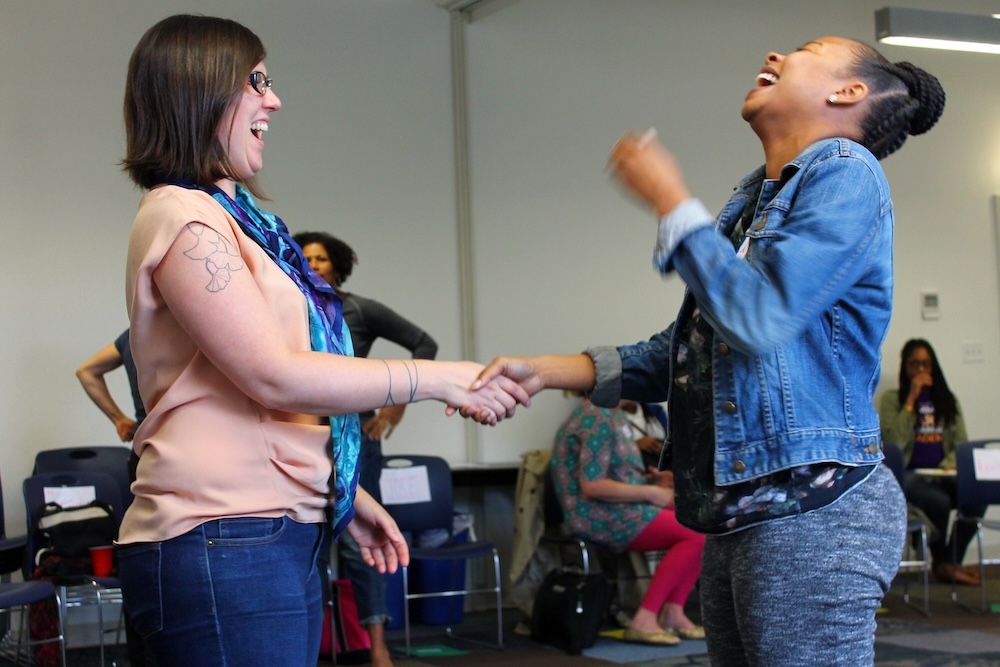
In Baltimore, we’ve found a way to engage educators in professional development that is collaborative, interactive, and based on the needs and interests of participants. We design learning experiences similar to how we approach student learning. Our workshops are hands-on and experiential–a balance of content delivery and opportunities to make connections, reflect, express, and share. We always infuse the arts to facilitate community building and personal and professional growth. The results have been overwhelmingly positive, revealing a truth that seems obvious: teachers are learners too. We need to engage them in the ways we know students thrive while setting a foundation for their ideas to flourish and develop.
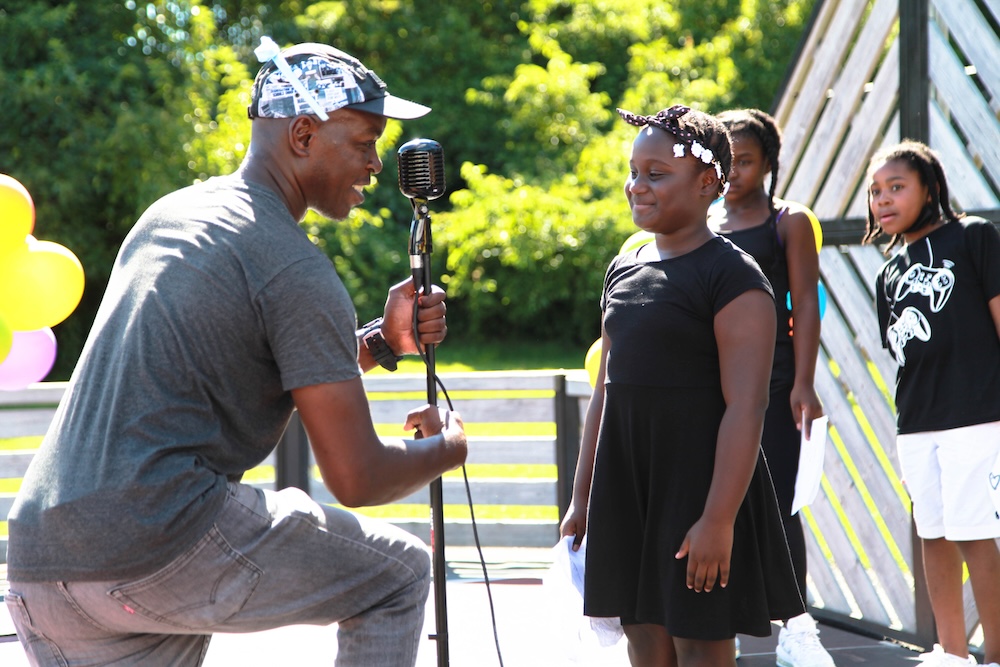
For Arts for Learning Maryland, we identified this truth through our work with students that integrates the arts into year-round learning. Arts for Learning places teaching artists in classrooms to collaborate with teachers and transform traditional education like math and literacy into something active, hands-on, and creative. We reached more than 140,000 students in 21 Maryland counties last year.
Having done this work for over 75 years, we’ve discovered what works for students. Instead of memorizing math fractions from the whiteboard, our students write and perform rhymes that draw on their understanding of fractions while expressing who they are. Instead of reading large chunks of text and raising hands to answer questions or completing a worksheet, students perform plays and create paintings that illustrate a story’s rising action or theme. We believe learning this way leads students to better grasp the content, retain it longer, and apply it better as they move in the world.
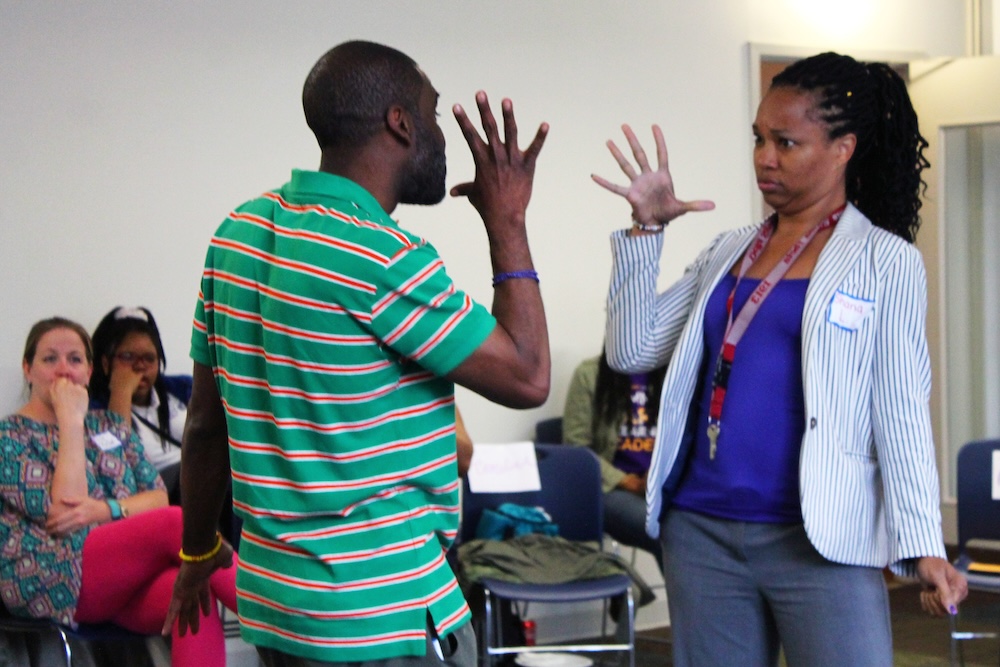
The research and feedback from teachers supports what we’ve found: students learn more effectively when actively engaging with the content they are learning. They feel a sense of empowerment, familiarity with risk-taking, and a willingness to be themselves–all of which are crucial components of a healthy, successful learning environment.
If creativity, the opportunity to explore, and the safety to take risks and experiment works for young learners, then why not give adults the same experience?
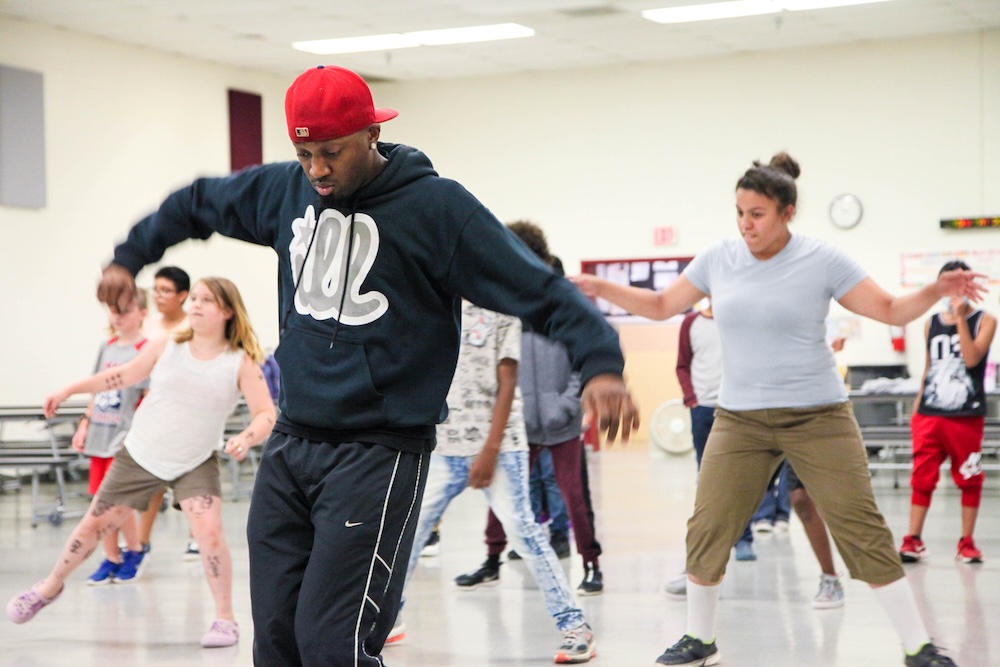
In the last five years, we’ve reached over 1,000 educators and artists with hands-on professional development. Instead of being passive learners, our teachers are creating. They are designing and writing postcards to their students, modeling elements of visual art and the friendly letter format. And our principals are designing and writing visual art pieces, like wish banners, to frame out their upcoming school year–wish banners that also reflect elements of visual arts and communicate their hopes and dreams.
Educators are not only able to explore and collaborate on new approaches, but they can also test them in real settings. Teachers and artists collaborate to create lesson plans in our PD–and they deliver them to students over the summer at Summer Arts for Learning Academy (SALA)–a free, five-week arts-integrated learning program for 2,200 Baltimore City Public School students. The teacher experience culminates with feedback and an opportunity to refine, improve, and try again. By the time the school year begins, these teachers feel confident and excited to introduce new approaches to teaching.
Just as important, our flexibly structured professional development experiences encourage an environment filled with laughter, storytelling, active expression, and acceptance. Traditional presentations requesting silence are replaced with thought-provoking questions and performative, creative elaborations. Note-taking is supplemented with drawing, performing, and singing. It works for students; it works for adults.
Feedback from educators and students, as well as our analyses of the program, show that we’re onto something. SALA has been shown to help stem summer learning loss, and teachers have reported transformations of their teaching style (and student responses to their teaching) as a result of our professional development.
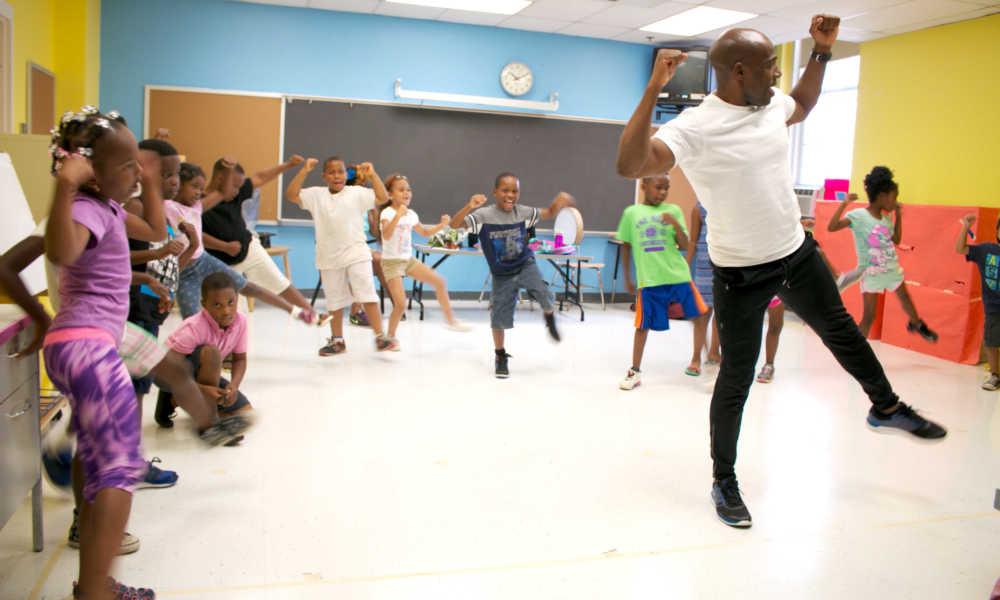
For us, it all comes back to how human beings learn most effectively. The approach to educating educators should be the same as with students. It should encourage expression, risk taking, and passion chasing while presenting practical opportunities to apply what is being learned.
There is an exponential impact of equipping educators with the approaches necessary to infuse traditional learning with the arts. The hundreds of educators and artists we reach a year with our professional development go on to inspire and motivate hundreds of students–students who may now have access to the arts at a level they never did. As a result, more children in Maryland are experiencing an education where discoveries are commonplace, where creativity is everywhere, and where learning is lasting.
Explore our professional development offerings.
This post originally appeared in on Next Generation Learning Challenges (NGLC) website. It has been updated to reflect current data, our name change from Young Audiences of Maryland to Arts for Learning Maryland in 2021, and roster artist programs.