


Blog

The Power of “What If?”: A National Residency Teaching Artist Credential
Written by Stacie Sanders Evans,
Chair, Young Audiences’ National Residency Teaching Artist Credential
President & CEO, Young Audiences of Maryland
One of the things I admire about many of the artists I encounter is their ability to envision and create without constraint. Most of the time, I feel my ability to dream is tethered to my day to day constraints. Fortunately, I have the rare board of directors at Young Audiences of Maryland (YAMD) that isn’t asking me why our copying budget is over by 10%. Instead, they are encouraging me to dream bigger dreams and actually discouraging me from worrying about how to pay for it. They want to help shoulder the burden of these constraints so I have enough moments to live in the delicious “what if” space.
“What if” moments have gotten Young Audiences to where it is today both locally and nationally. One “what if” moment just recently led to a successful pilot of the Young Audiences National Residency Teaching Artist Credential for exceptional teaching artists. Up until this pilot, unlike almost all other professions within education, there has been no nationally recognized credential for the field of teaching artistry.
Twelve artists (featured below) from seven different states have completed a very rigorous application process and earned the National Residency Teaching Artist Credential to date. Let’s applaud these amazing artists who took a chance with us and contributed to the larger idea of “what if” in an effort to help us test and refine a credentialing system.
Young Audiences formed in 1950 in Baltimore because of our founder, Nina Collier’s, “what if” moment. Nina’s question, “What if we bring musicians into our schools to perform?” ultimately led to the movement that created 32 Young Audiences affiliates across the United States and now benefits five million students annually. She had no idea the impact that question would have on children and artists.
In the ’90s, YAMD’s first paid executive director, Patricia Thomas, had another important “what if” moment: “What if artists are no longer limited to the auditoriums of our schools? What if they go into classrooms to give kids a chance to create in an art form?” Today, artists in partnership with Young Audiences, impact 230,000 hours of classroom learning in the arts every year, creating powerful moments for Maryland’s young people. Thank goodness there were Nina Colliers in communities across our country who were creating the same kind of opportunities for more children.
Once Young Audiences saw the transformative power of our artists in classroom settings to inspire kids and we saw how high stakes testing was narrowing the curriculum and negatively impacting student engagement in the classroom, we asked another “what if.”
“What if Young Audiences played a larger role in education and in our communities to bridge the gap between what we know the best conditions are for learning and what children actually receive in school? I call this the inspiration gap.
This “what if” led us to invest heavily in artist training (far beyond even our own roster of artists) and to create many more opportunities for artists to partner with academic teachers to use their art form to draw kids into learning in literacy, math, social studies, and science classes. This is known as arts integration, which could be learning fractions through the steel drum or about figurative language through writing and performing their own poems, or about the scientific method by writing rap songs.
Using the arts helps students connect to the academic content in meaningful ways–so the learning “sticks.” Young Audiences’ arts integration approach also requires students to “show what they know” through the arts by either performing or exhibiting. Students become more visible in this kind of classroom and it nurtures the sense that they matter. When you make the learning matter and students know that they matter–that is the secret sauce to bridging the inspiration gap.
Now school districts and foundations see us in a broader light, as an organization that can help improve educational outcomes for kids. These groups are investing nearly three million dollars in YAMD this year so we can address stubborn problems in education: preventing summer learning loss, increasing school readiness, and improving teacher practice.
Across the country, we have artists who are ready to bridge the inspiration gap, and there are even more who, with the right training and support, will soon be ready to join them. We believe the National Residency Teaching Artist Credential, along with a network of coordinated, affordable professional development opportunities, could lead to kids in all communities having greater access to a quality education–one that includes arts education and opportunities to learn in, through, and about the arts from the best professional artists in their community (even where there is no local Young Audiences affiliate).
Imagine a society where teaching artists are recognized for the valuable role they play in breathing creativity and possibility into our schools. Work which, in turn, draws kids back into learning. Imagine how many more kids would benefit if artists were able to choose teaching artistry as a profession because it was treated like other professions.

Many, many things are needed to realize this vision, and I believe a credentialing system–one that is developed in partnership with artists and educators with students at the center–is one important component in a larger ecosystem that needs attention. And I’m not alone. A national survey revealed that 94% of teaching artists want a credential like the one we are designing for the field. One reason artists support this idea is that, currently, since our field lacks a credential, there is no unified way for that expertise to be recognized or validated.
For example, dance and teaching artist Valerie Branch has performed with over 10 dance companies, choreographed over 100 dance works, has a Bachelors degree in Dance (Magna Cum Laude), and has led artist-in-residence programs in 150 schools. But as a teaching artist, she had no signifier of her expertise, excellence, or the value she brings to the classroom. The National Residency Teaching Artist Credential solves this problem.
We are still early in this “What if we created a National Residency Teaching Artist Credential?” moment. And we hope one day, after thoughtful adjustment and many discussions with different stakeholders (that includes you!), and in partnership with the many other national and local organizations that care about education, this credential could be something that the broader field will welcome.
Was there ever a time an artist closed the “inspiration gap” for you or a young person you love? Let’s make more moments like that for our young people. Wanna “what if” with Young Audiences around this idea? Let me know because it will take all of us–you, me, our friends, and our friends’ friends–to turn this new“what if” into a reality.
2018 Young Audiences’ National Residency Teaching Artist Credential Recipients
Valerie Branch, Young Audiences of Maryland
Melli Hoppe, Arts for Learning, the Indiana Affiliate of Young Audiences
Molly Johnson, Young Audiences of New Jersey and Eastern Pennsylvania
Laura Marchese, Young Audiences of New Jersey and Eastern Pennsylvania
Ray McNiece, Center for Arts-Inspired Learning, the NE Ohio Affiliate of Young Audiences
Emma Parker, Center for Arts-Inspired Learning, the NE Ohio Affiliate of Young Audiences
Malke Rosenfeld, Arts for Learning, the Indiana Affiliate of Young Audiences
Chris Sheard, Young Audiences of Louisiana
2019 Young Audiences’ National Residency Teaching Artist Credential Recipients:
Carrie Sue Ayvar, Arts for Learning / Miami
Harlan Brownlee, Kansas City Young Audiences
Quynn Johnson, Young Audiences of Maryland
Brittany Roger, Young Audiences of Maryland

Step by Step: The Power of the Arts
Written by Barbara Krebs,
Young Audiences volunteer and Sunburst Society member
As a pair of dancers performed, a group of elementary school children sat, crisscross applesauce, watching their every move. Valerie Branch, a dancer and choreographer with Young Audiences had been working with the Belle Grove Elementary students in an artist residency made possible through the Arts Empowered Minds Initiative (AEMI). When the last notes faded away, Valerie asked the children what they had observed.
“They love each other,” one child offered.
“They share,” another chimed in.

Then she asked the kids to explain what dancing techniques they had witnessed. “Negative space,” “weight sharing,” and “weight bearing” were some of the answers shouted out.
Next, she gathered a group of her second-grade students to pair off with each other to demonstrate some of those concepts. Once the children had done so, half of the students were instructed to use a frozen pose in a high, medium, or low position. The rest were to react to whatever their partner had created. With the new poses in place, she asked the other children in the assembly to discuss what they saw and how the partners had related to one another.

And, in true arts integration form, this exercise was not just about learning dance terminology and positions, but was tied to lessons at the school. This particular one was used in conjunction with a poetry-writing assignment in which the children described themselves through the creation of “I am” poems. Later, choreography was added to illustrate their autobiographical poetry.
Such was the back-and-forth learning that observers witnessed at the Arts Empowered Minds Announcement Event and Celebration on Friday, March 8. The group of educators, politicians, state and local arts administrators, and volunteers gathered at the school was celebrating a $100,000 grant from the National Endowment for the Arts (NEA), which will be used to expand arts integration and teacher professional development in Northern Anne Arundel County.

This is the third time that the NEA has awarded Young Audiences, the program’s managing partner, a grant for AEMI. This collaborative partnership between a wide array of arts and education organizations throughout Anne Arundel County seeks to “address the disparity in arts access–and associated gaps in student achievement–between students in Northern Anne Arundel County and the rest of the county.”

Now in its third year, AEMI has already racked up an impressive set of statistics. But even better than the numbers are the inspiring stories that teachers and administrators had to share during the event. Brittany Roger, a teaching artist with a scientific illustration background, spoke of bringing exotic animals (Madagascar hissing cockroaches, iguanas, corn snakes) to the classroom and allowing children to explore the creatures through sight, sound, touch, and smell. Afterward, the students draw and sketch the animals based on their observations.
Amy Goodman, who heads the math department at North County High School, told of her department’s initial skepticism about linking arts and math together. But as the teachers learned arts integration techniques and applied them in the classroom, they began to see students who had been turned off or struggling with math begin to make connections that helped them grasp the concepts they needed to learn.

And so, step by step, AEMI partners create opportunities for children to learn through the arts. Step by step, the Initiative changes minds about the importance of integrating the arts with reading, ‘riting and ‘rithmetic. And, step by step, it makes converts of those who witness how the arts engage young minds and help them stay, not only focused on their education, but truly inspired to learn.
Learn more about the Arts Empowered Minds Initiative, its collective impact partners and the community it serves by visiting artsempoweredminds.org.

Spreading the Word
Teaching a subject through a new art form feels less daunting after not only seeing a successful idea modeled in a classroom setting, but actually participating in the learning as a student. At Community Arts: Connecting Neighborhoods and Classrooms, the 13th Annual Arts Integration Conference at UMBC, academic teachers were given the opportunity to see and do in a number of classrooms on campus.
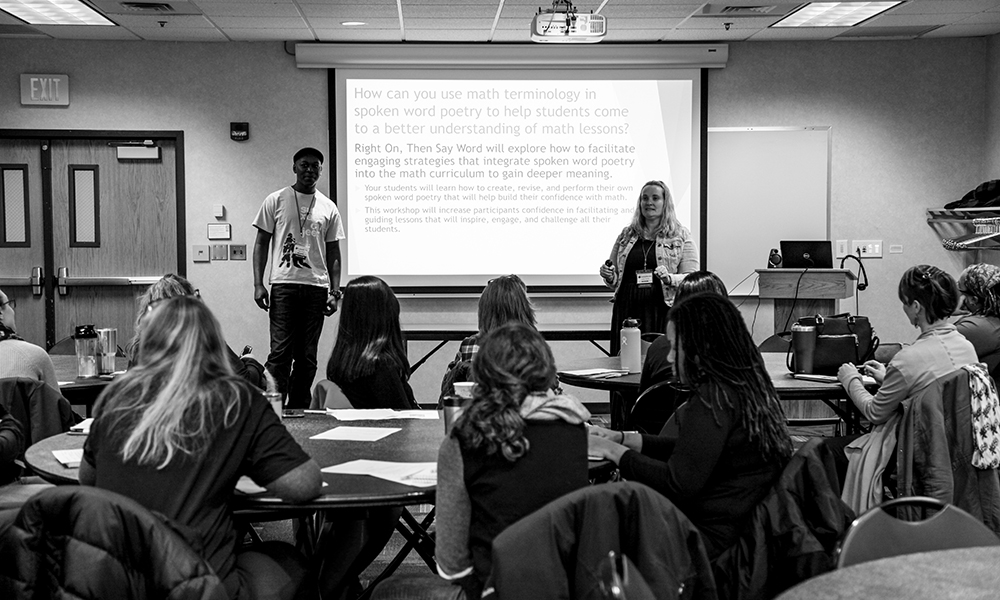
Workshop participants learned, for example, the art storytelling with Laura Wexler of The Stoop Storytelling Series, how to connect ELA and STEAM with designing and building kinetic sculptures with FutureMakers, and ways to integrate theatre standards with language arts standards.
Participants in one class learned how to teach mathematics through wring poetry. Teachers of grade levels ranging from Pre-K through adult learners convened to learn from North County High School (NCHS) Algebra teacher Ashley Russell and Young Audiences roster artist and spoken word poet Femi the Drifish. Their workshop Right On, Then Say Word: Poetic Mathematics was developed through a lesson they have been successfully co-teaching since the 2017-18 school year.
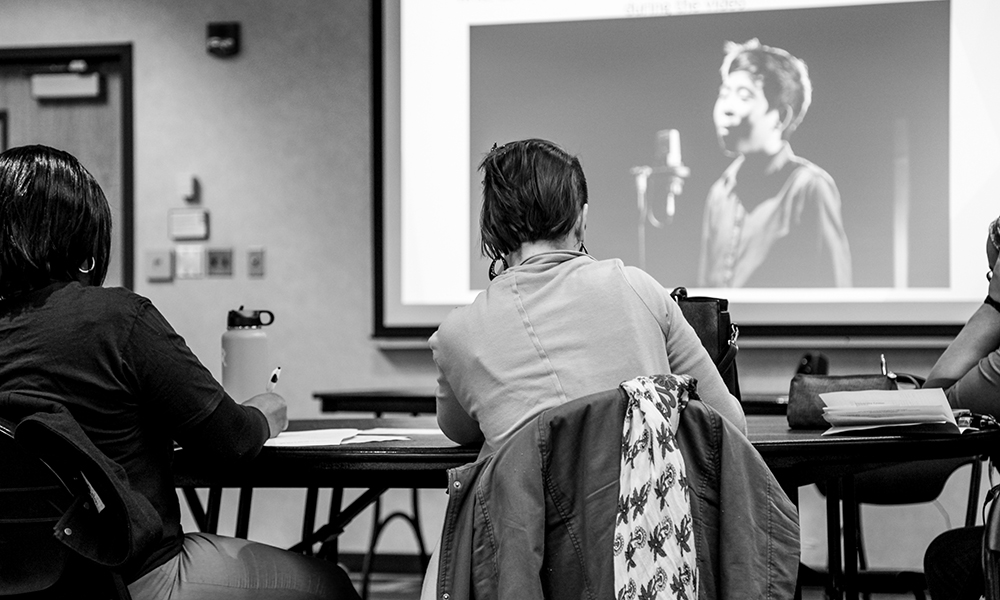
The pair shared their collective experience working with students and showed examples of student work and performances. Femi (his students address him as Mr. Fish) gave the teachers a small taste of his signature style and shared other arts-integrated lessons he’s taught over the years, encouraging them to think about the intersection of language and math in word problems and popular mnemonic devices like PEMDAS (Please Excuse My Dear Aunt Sally).
At the end of the hour, the teachers had not only enjoyed their time, they learned to create, revise, and perform their own spoken word poetry using mathematical terms. They felt confident that they could use poetry to teach material in their own classrooms. And their students will most certainly enjoy the challenge, pride, creative thinking, and accomplishment that comes from learning through this art form.
You can read more about their partnership in the classroom and how students learn Algebra through the practice of writing and performing slam poetry here.
In 2017, North County High School Math Department Chair Amy Goodman began working to bring arts integration to all of the school’s 9th grade Algebra 1 classes. Thanks to the Arts Empowered Minds Initiative, these students have studied with a variety of professional teaching artists. In addition to Femi the DriFish, Algebra 1 students have worked with TAHIRA, Skher Brown, and Kevin Martin. Since beginning this effort, the school’s Algebra I PARCC scores have shown double-digit gains (not to mention, students nurtured their creative sides exploring storytelling, learning to play steel drums, expressing themselves through poetry, and practicing the art of Capoeira Angola).

Study Shows YA’s Summer Arts & Learning Academy Exceeds Expectations in Supporting Academic and Social-Emotional Growth
Students in free arts-integrated program for City Schools realize growth in math, reading, writing, and social-emotional learning – especially for those behind academically.
BALTIMORE, (February 18, 2019) – A new study shows that students who participate in Baltimore City Public Schools’ Summer Arts & Learning Academy (SALA), operated by Young Audiences, realize positive academic growth and improved social-emotional skills. The research indicates that when compared to the rest of the students in the program, students with special needs saw significantly more growth in writing and in some social emotional domains. Similarly, students that started the summer program behind in math saw significantly more growth over the summer than their peers who began the program on grade level.
The 2018 Summer Arts & Learning Academy, a free five week arts integration program for Baltimore City Schools students, was held from July 9 to August 10 at eight sites across Baltimore City. Through hands-on activities co-taught by professional artists and classroom teachers, nearly 2,200 Pre–K-5th grade students engaged in painting, songwriting, poetry, dance, music, photography, playwriting, filmmaking while learning math and literacy.
SALA students’ test scores at the beginning and end of the program were analyzed by WolfBrown, a national leader in research on arts education and children’s academic, social, and emotional development. WolfBrown’s analyses revealed increases in students’ math, reading comprehension and writing scores that were not only statistically significant, but large. On average, students’ math scores increased by 15 percentage points, their reading comprehension scores increased by 11 percentage points, and their writing scores increased by 14 to 16 percentage points.
Of particular interest in the study was the growth seen among students who were behind academically or who were at risk of falling behind. Students further behind in math at the beginning of SALA showed the largest growth in math – their test scores grew nearly 1.5 times the rate of their peers. Similar results were observed among students with IEPs. An IEP is an individualized educational plan given to students who demonstrate at least one of 13 special factors, all of which are considered to impede learning. Students with IEPs out-paced their peers in writing content score-growth by nearly 1.24 times. Students with IEPs also showed growth in self control as reported by parents.
Dr. Sonja Santelises, Baltimore City Schools CEO, said,
“We believe in educating the whole child and this summer program does just that. We are thrilled that this investment is resulting in student gains in literacy and math. Just as important, this program gives young people an opportunity to learn about and express themselves through different art forms, which ultimately strengthens empathy and other social-emotional skills in our young people.”
The Baltimore City Schools Office of Achievement and Accountability conducted its own evaluation of the program, comparing scores from end-of-academic-year standardized assessments (iReady and DIBELS) to the beginning of the year in order to measure summer learning loss and the impact of SALA in mitigating that loss. In three of the four comparisons, SALA students program showed lower rates of summer learning loss than students who were not in a summer program.
“Young Audiences’ evaluation contributes to the body of national research showing that when children have sustained opportunities to learn in and through the arts, they have greater rates of academic success,” said Stacie Sanders Evans, Young Audiences President & CEO.
“The Every Student Succeeds Act, the law that governs US public education policy, calls for greater attention on the whole child and specifically social-emotional learning, while requiring schools to adopt evidence-based practices. We hope this evidence will lead more Maryland schools to consider the arts as a vehicle for building student empathy and other life skills such as cooperation and self-management.”
As a result of the program’s continued success, Baltimore City Schools and Young Audiences will expand SALA in 2019 to Pre-K, reaching more than 230 of our City’s youngest learners across all 8 sites.
Download the full WolfBrown evaluation

About Young Audiences/Arts for Learning
Started in Baltimore in 1950, Young Audiences is the nation’s largest arts-in- education provider. As the Maryland affiliate, Young Audiences/Arts for Learning (YA) is devoted to enriching the lives and education of Maryland’s youth through educational and culturally diverse arts programs. Through Young Audiences, professional artists from all disciplines partner with leaders and schools for nearly 10,000 hands on arts learning experiences that reach more than 190,000 Maryland students. Young Audiences envisions a Maryland where the arts are valued for their capacity to transform lives, and where every student is immersed in opportunities to imagine, to create, and to realize their full potential.

Student-Centered Summer
In January, the sun disappears so quickly—its absence makes the air that much colder. It feels funny to reflect on my youngest daughter’s first experience at Summer Arts & Learning Academy (SALA) when, outside, it feels like it just might snow.
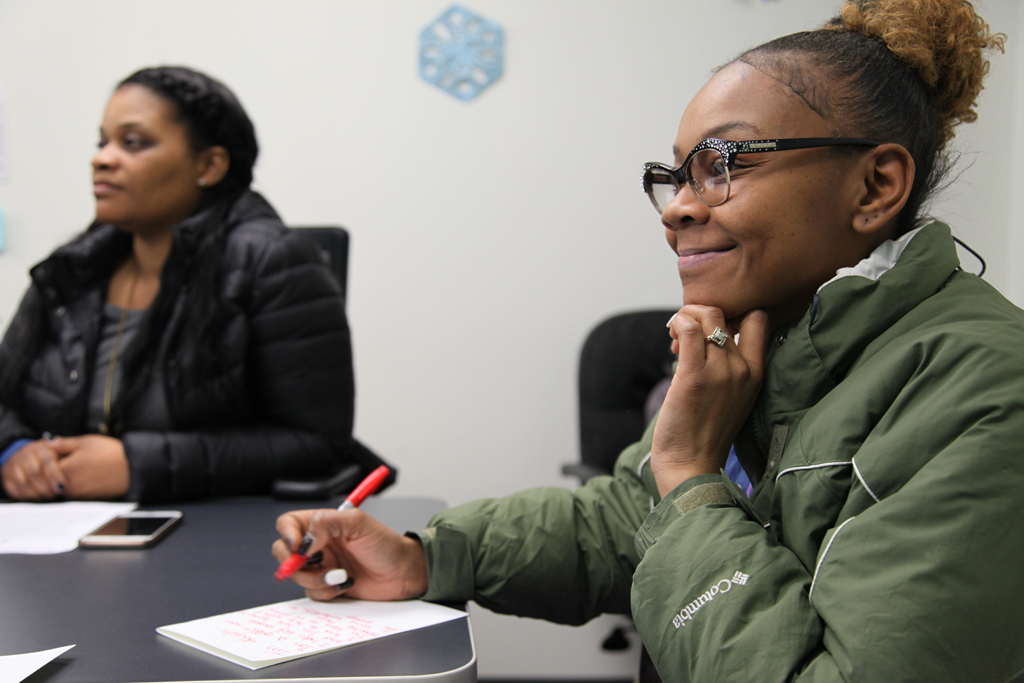
Kiyah and I, both of us parents of children who attended SALA 2018, were asked to meet at Young Audiences a couple of weeks ago. A teacher, Jesika Paige, was here, too. She wasn’t at my child’s SALA site last year, but I remember meeting her once. And I recognize her from our How We Do Summer video. Her smile is warm and her energy is radiant and it was so nice to be sitting at the table with her. Joining us were five teaching artists: Katherine Dilworth, Jamaal “Mr. Root” Collier, Vonnya Pettigrew, and Mama Kay and Mama Rashida of WombWork Productions, along with staff members Michael Brush, Monique Cox, Kurtis Donnelly, and Kristina Berdan.
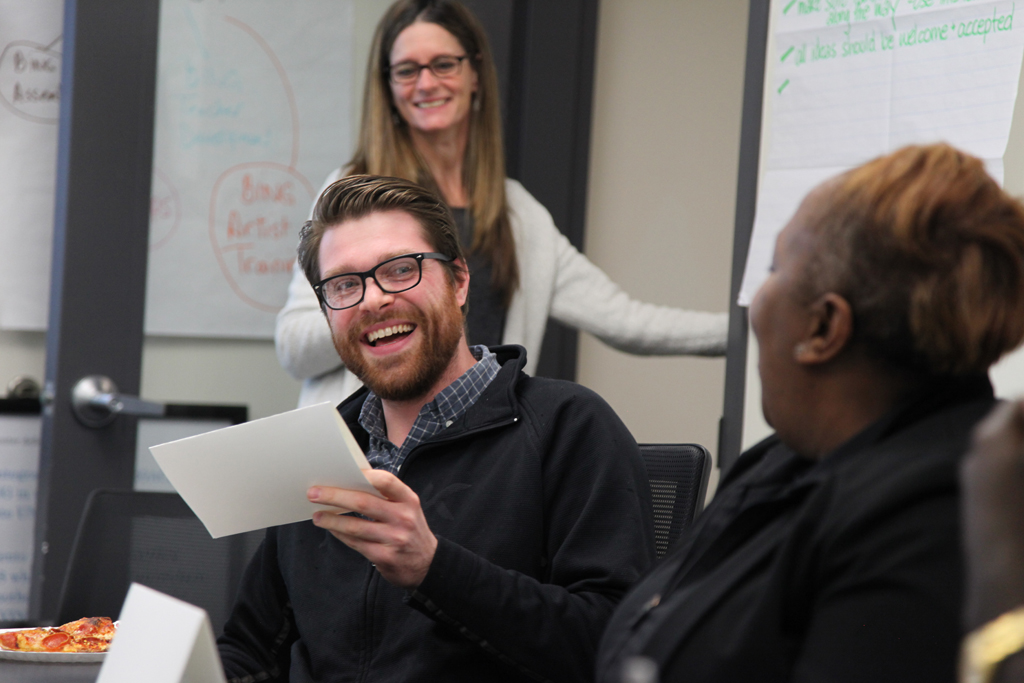
Parents love SALA for a multitude of reasons. For one, Baltimore City Public Schools students participating in SALA have not only avoided summer learning loss but, in many cases, gained ground on their national peers in standardized testing. Between this and the fact that kids in SALA are immersed in meaningful art projects every single day, enrolling my 6-year-old was an easy decision. And as Ms. Paige noted in How We Do Summer, “for children who suppress their art during the school year, this was a time for them to actually show up and show out and show their artistic ability.” So, how can we take this amazing and enriching educational experience and make it even better? This is what we are here to find out.

Something that Young Audiences always makes sure to do is collect and evaluate feedback from all of a program’s stakeholders. If you are ever asked to fill out a survey regarding one of YA’s programs, know that your comments are read, your answers to questions are carefully considered, and your voice matters. The idea to form a community advisory for SALA was brought about in the feedback we collected from parents, and from students, teachers, and artists. Our mission is to ensure that SALA (an incredible, free, arts-filled, and academically excellent program) is student-centered and to identify program changes and improvements to implement during SALA 2019.

Coming together with other stakeholders for the SALA Community Advisory’s inaugural meeting reiterated to me the desire of everyone involved to improve, and to be wise, and strong. The group committed to making sure all families are involved all along the way and that all ideas are welcome. We look forward to sharing and listening with open hearts and open minds, reflecting on what we did well in 2018, what we can do better, on ideas for the future, and welcoming the unexpected. We cannot wait for another summer of SALA, each one better than the last—in the meantime, let it snow. Written by Shannon Kline, parent and Young Audiences Communications Associate.
If you would like to be a part of the Summer Arts & Learning Academy (SALA) Community Advisory, we invite you to contact Kurtis Donnelly at kurtis@yamd.org. Your thoughtful input helps to make our programs the very best for students and we appreciate your time and dedication.
A Saturday Morning Tunes Giveaway!
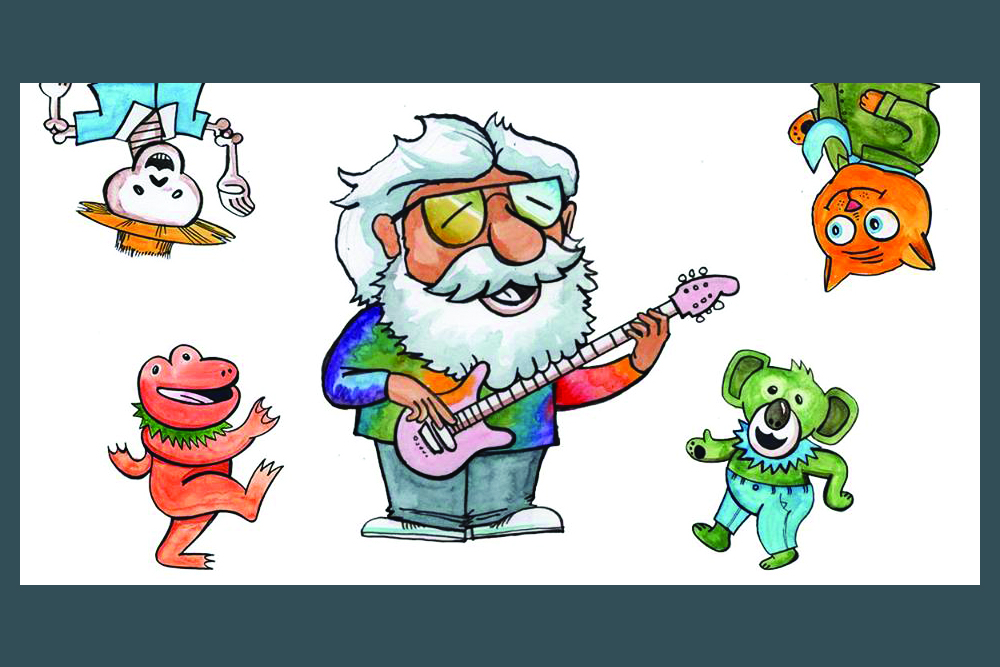
Thanks to our smARTbeats partners, WTMD, we have five Family Four-Packs for the Saturday Morning Tunes Grateful Dead tribute show with Ed Hough’s Dead Collective to give away! That means five of our lucky Facebook followers will receive four tickets each to the SOLD-OUT 9:30 a.m. show at the American Visionary Art Museum on Saturday, February 2, 2019!

Grateful Dead fans with young kids won’t want to miss out on the chance to attend this sold-out event! Ed Hough’s Dead Collective, who are some of Baltimore’s best roots and Americana musicians, will be channelling the music of the Grateful Dead in AVAM’s banquet hall among the museum’s renowned colorful and engaging artwork. Tickets also include organic snacks and juice for kids and coffee for adults. Doors open at 9 a.m., and the show runs 9:30 a.m.-10:30 a.m.
Many thanks to WTMD for sharing this amazing opportunity! This contest is now closed.
Inspire, Imagine, Improve!
Written by Barbara Krebs,
Young Audiences volunteer and Sunburst Society member
A few weeks ago, I was happy to attend Young Audiences’ third Art Crawl, held this year at the Single Carrot Theatre adjacent to YA’s offices.
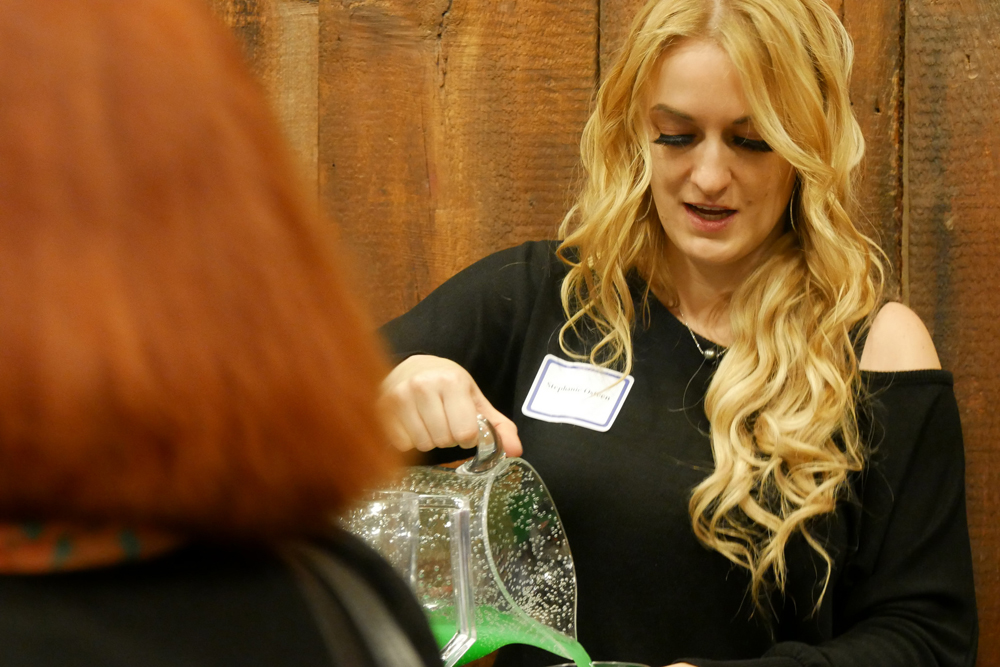
For those of you who have not attended this annual event, I highly encourage you to do so. First of all, you’ll get to party with a group of fun, interesting, entertaining and dedicated folks. Secondly, you’ll get to enjoy the learning environment presented to the kids who attend YA’s Summer Arts & Learning Academy (SALA). And by that, I mean you’ll act, play music and create artwork, which helps you understand your reading assignment or your math homework. And finally, you get to nosh on great hors-d’oeuvres and sip handcrafted cocktails created by some of YA’s board members!
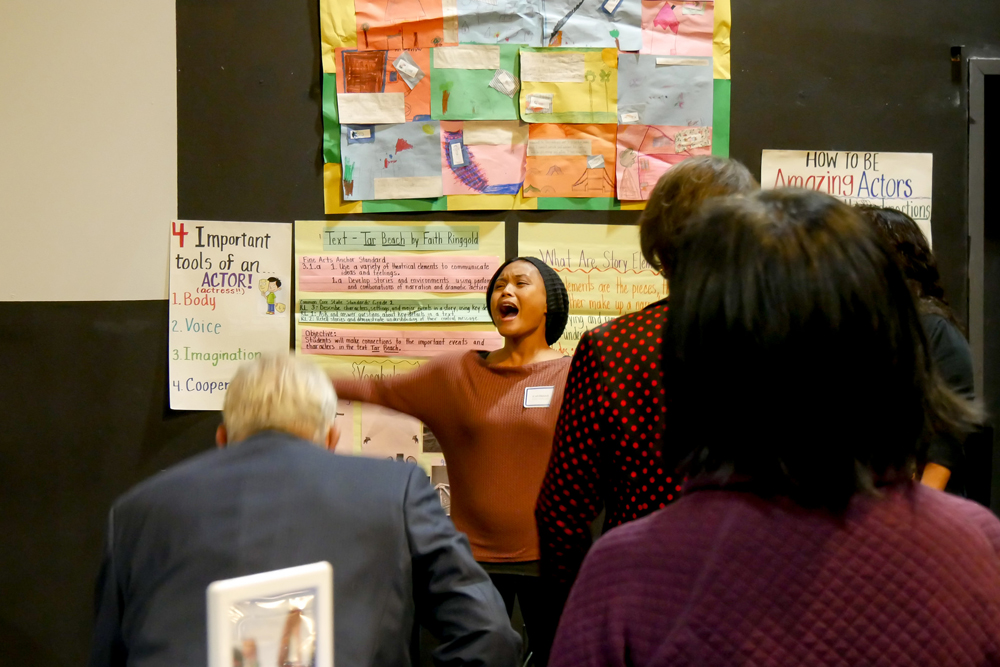
As always, I find myself splitting my time between talking to people I’ve met in the past, and meeting new folks who have interesting stories to tell. This time was no different. Balancing a plate of delicious appetizers from Copper Kitchen and a glass of wine provided by North Charles Fine Wine & Spirits, my husband and I soon found an empty spot at a table and introduced ourselves to Cori Daniel and Carlotta Williams. Turns out they were actually a teaching artist/teacher team who would later explore the book, Tar Beach, a story by artist Faith Ringgold recalling the dream adventure of a young girl flying high above her neighborhood in 1939 Harlem.
No matter the genre, the goal is making sure the children stay focused on the subject matter, sneakily presented as a lot of fun.
But I didn’t know this yet. What I did find out though was how long they had been teaching, what they taught, and I got to observe their obvious enthusiasm for the children and learning. Their animated conversation about their SALA classroom was fascinating, as were their fond memories of inspiring kids to learn while the children used their imaginations to improve their reading scores.
Oh, did I just use inspire, imagine and improve in one sentence? Yes, I did, and that is, of course, no accident. Having witnessed teachers and children in action in several of SALA’s classrooms this summer, and getting a chance to actually engage in it myself during Art Crawl is to truly understand how those three words create an arts-integrated learning environment that SALA uses to stem summer learning loss and bridge the Inspiration Gap.

In SALA’s five-week summer classrooms, kids use a wide variety of art techniques to help them master core subjects – whether it’s textile art to illustrate a story they are studying or rapping their multiplication tables or dancing to show character development. No matter the genre, the goal is making sure the children stay focused on the subject matter, sneakily presented as a lot of fun.
And so it was. In the segment taught by the second-grade teacher and teaching artist I had just met, we warmed up with some dance movements to highlight acting concepts. Then we looked at the pictures in the book and explained what we saw in them. Finally, we paired off and used our imaginations to explore a special place for us – one that made us feel warm and welcomed.
Next up was a math segment, guided by teaching artist Nadia Rea Morales and teacher Jose Hernandez. With a chart in the room illustrating ones as yellow, tens as red, and hundreds as blue, I created a Piet Mondrian “masterpiece.” The focus was to teach second-graders their ones, tens, and hundreds places and the relationships between digits and their place value. My own memory of learning such things was of boring, rote exercises that left me cold. Here, I hadn’t had so much fun with scissors and construction paper in ages. And to think – I was learning math!

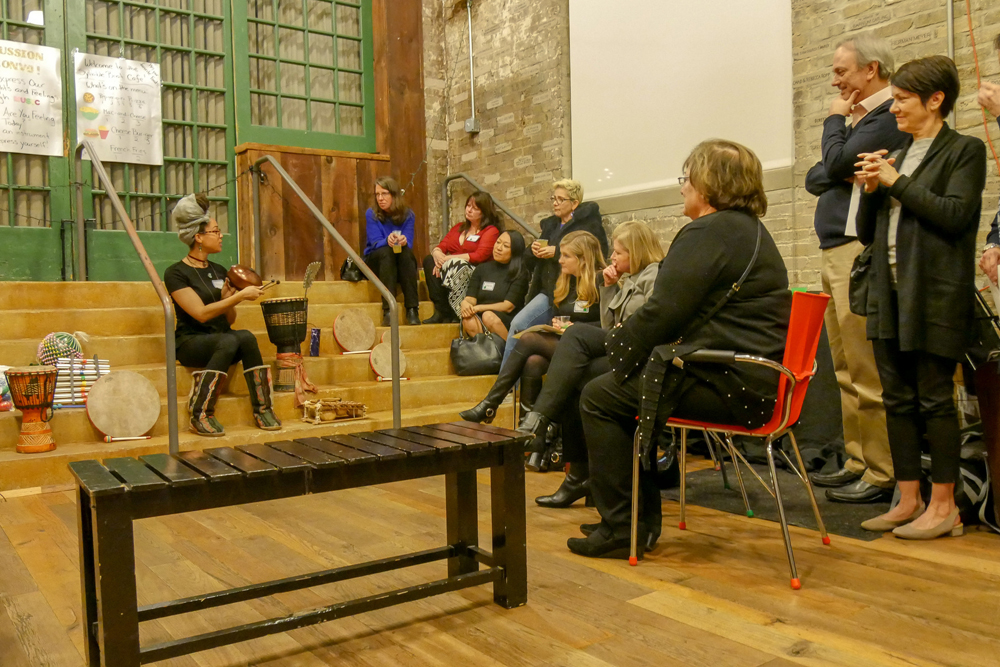
I ended the evening with teaching artist Christina Cook, who was surrounded by a variety of percussion instruments. As she demonstrated how these were used to sound out the syllables in words, I noticed how she was combining both math and vocabulary – a certain number of syllables to express a phrase, as she beat the rhythm on her drum. She then handed out instruments and instructed us to follow along.
In addition, she said she used this technique to help the pre-K kids she taught to express their emotions. At first, she told us that the students mostly stuck to “happy” or “sad,” but soon she noticed that, as the kids gained confidence with the percussion pieces, their emotional range expanded, too. Now they were “curious” and “frustrated” and “ecstatic.” She admitted that she was impressed with the varying emotions the kids conveyed as well as the fact that they already had the vocabulary to communicate it. They had only needed the little nudge the music gave them to open up and express themselves more fully.
I have to admit – Inspire, Imagine, Improve is a mantra I can really get behind. Because each time I’ve attended Art Crawl, I come away inspired by all the people who donate time, expertise and/or money to make SALA a reality for 2,100 elementary school-age kids. I can only imagine how much harder it would be for the children and their teachers if this summer program didn’t exist. And I know that Young Audiences’ aim to improve test scores and access to arts-integrated learning is something I’m behind 100 percent.
Wouldn’t you like a little Inspire, Imagine, Improve in your life? Come join us next year and I think you’ll find your own stories of imagination that inspire you to improve. Until then, Happy Holidays!

Smart Growth: Onward in Unison
Have you noticed how much we’re growing? Our staff is now 29 people strong! That collective energy is felt every day, but it really blew us all away as new and veteran staff sang together at the start of our annual retreat. Some of us were just getting to know everyone—one of us was meeting everyone for the very first time that day— and all of us grateful for the time together. As you may well know, at Young Audiences, we start with the art! The group split into sections and sang one of three traditional gospel hymns, each individually powerful. When sung together as a medley, though, the three hymns created an entirely new force.

Over the summer, we created two new Teaching Artist Fellow positions within the organization and welcomed Katherine Dilworth and Valerie Branch into the role! Both Katherine and Valerie are highly skilled in teaching artistry and have been delivering arts-integrated instruction and teacher professional development with Young Audiences for years. In addition to continuing their fantastic work in the schools as teaching artists, they will also serve in an expanded capacity by consulting with school districts and partners on arts integration strategies and practice, leading PDs, and mentoring other Teaching Artists.
“I really love being in this new position at YA. I love that I have the opportunity to grow as an artist and hone in on my skills as a mentor and Master Teaching Artist,” said Valerie — who will be doing a lot of work in Prince George’s County, including professional development and training teachers as part of their new Arts Integration Master Teacher training program. “I am excited for all of the continued possibilities that lie ahead and am looking forward to getting into the classroom this school year!”
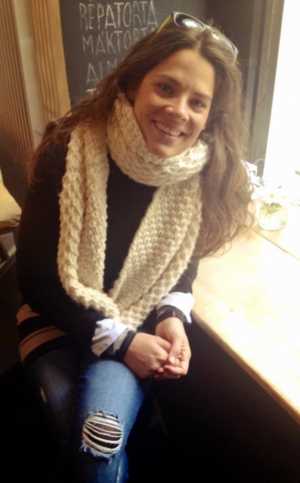
Nel Andrews is officially our new Chief Operating Officer. She comes to us from the Annie E. Casey Foundation, where she worked for the last 10 years in their Center for Systems Innovation. She has a passion for racial equity, organizational development, and systems change. We are thrilled to have her join our family! We also welcomed Arnold Joo to the brand new Data and Systems Manager position and promoted Michael Brush to Summer Arts & Learning Academy Regional Director. To top it all off, three new program coordinators have joined the staff and settled right in: Kerrigan Dougherty, Alex Crockett, and Cori Gill.
“We couldn’t be more proud of our growth and all of the hardworking and passionate people we are working with on this journey,” said Young Audiences President & CEO Stacie Sanders Evans. “We are everyday people committed to transforming education through the arts. We have enormous respect for our teaching artists and such love for our communities.” And while we are a growing organization of many parts, we work in sync, moving forward together— a medley of many parts reverberating, energizing, elevating, working to realize our mission: that one day, every student in Maryland will have the opportunity to imagine, create, and realize their full potential through the arts.

smARTbeats with Jason Baker of Fractal Cat
smARTbeats returns to WTMD on Saturday, November 10 during the weekly children’s program Young At Heart! On this month’s segment, host Lisa Mathews talks with Jason Baker, one of our talented teaching artists from Summer Arts & Learning Academy (SALA). Jason is a board-certified music therapist and teaching artist by day. Kids lucky enough to have had him as their teacher in SALA over the past few summers will tell you he has a lot of wisdom and kindness to share. Do they even know that Jason is a bona fide rocker once the day is done?
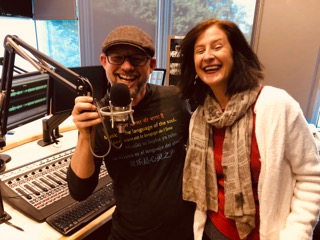
In the classroom, Jason is known as a man who helps kids learn their math facts through writing their own beatbox riffs, who models compassion and collaboration, and who leads young percussionists with artistic excellence. No doubt, the same skills he uses as a music therapist cross over into his lessons. His students work diligently, checking their numbers and planning their beats in the arts-integrated math class. The kids are eager to support their peers as each finds the courage to perform their beatbox compositions at the mic.
Jason’s music majors exhibit the same cooperation and camaraderie as his math students. They don’t just play their instruments. With their drums in a circle, the young percussionists listen, they watch, they respond to one another. Their rhythm is alive and has a personality all its own.
By night, Jason Baker is the drummer for the highly acclaimed psychedelic rock band Fractal Cat. The classically trained musician’s beats are the pulse of Fractal Cat’s euphonic sound —and like a teacher in a classroom, he keeps the music rolling.
Young At Heart airs weekly on 89.7 WTMD from 7 to 8 am on Saturdays, featuring music that appeals to parents and children alike. Previous shows have featured music by Wilco, David Bowie, Andrew & Polly, Weezer, and others.
Hear Jason Baker’s smARTbeats interview online now!

A Contemporary Armillary Sphere for the Community
Chesapeake Arts Center (CAC) Resident Artist and UMBC Visual Arts Professor Stephen Bradley’s work spans many disciplines. His art explores our relationship to place through ambient sound recordings, landscape photography, and recorded stories juxtaposed with artifacts discarded or lost in the landscape. The location- the place- where his most recent artwork, Community Connection Sculpture, is installed reaffirms the importance and connection we have with certain locations and challenges us to consider how our relationships and interactions with a place can impact its- and our – future.
As the center of community in Northern Anne Arundel County, the Chesapeake Arts Center serves to excite, educate, engage, inspire, and grow through performances, exhibitions, classes, and collaborations with artists, educators, business and community leaders, and organizations. Welcoming students of all ages through its doors every day, it is only fitting that this meeting, gathering, and growing space is now home to a large metal Armillary Sphere created by the artist with Ricky Siegert at Inferno Design and Charles Pennington. It stands at the entrance of the CAC, reminiscent of an artifact from the past, inspiring wonder and kindling ingenuity. Bradley shared some details about the artwork and what it represents for the community.
Community Connection Sculpture – Honoring the Past, Embracing our Future.
The public sculpture symbolizes an optimistic and innovative future created through the union of the arts and technology that serves the local community. Historically, CAC has been one of the few open spaces in the area for creative exploration. CAC offers ceramics, theatre, music, dance, painting and other related arts, including exhibitions and performances. Today, CAC offers its newest facility to community residents with the launch of a contemporary MakerSpace. Classes are available for those who seek to become certified in order to use computer-controlled tools — including those used for wood-working and light metal fabrication.
Historical armillary spheres were originally used as a way to model celestial objects, such as the sun, stars, and planets. Instead of the earth occupying its center, however, this sculpture holds a hexagonal form with an array of LED lights. The sculpture’s nucleus represents the center of CAC’s creative offerings and illuminates the building’s facade with subtle shifts of shadow and light from within its local “universe.” Its rings demarcate local points: Baltimore City, Annapolis, Curtis Bay, Brooklyn Park, Linthicum, and other significant places in the surrounding communities that CAC serves.
This contemporary version of the 2,000-year-old armillary pays homage to art and science endeavors of the past while inviting viewers to participate in a creative future dedicated to embracing arts and technology- one that values a STEAM-rich education, civic participation, and social entrepreneurial opportunities.
The Chesapeake Arts Center (CAC) is an Arts Empowered Minds Initiative (AEMI) partner along with Young Audiences of Maryland, Anne Arundel County Public Schools (AACPS), Arts Education in Maryland Schools Alliance (AEMS), The Arts Council of Anne Arundel County, University of Maryland, Baltimore County (UMBC), and Creating Communities. In addition to his art and teaching commitments, Stephen Bradley serves as an AEMI Advisory Committee member.

Arts Empowered Minds Initiative: Prioritizing Children and Learning
Written by Barbara Krebs,
Young Audiences volunteer and Sunburst Society member
It’s all about priorities. There are only 24 hours in a day, and as a busy person, you have to prioritize the most important things. I could tell that this principal really wanted to talk about the Arts Empowered Minds Initiative (AEMI), Young Audiences, and how arts-based learning was impacting his school. That’s because, despite the week-long game of telephone and email tag we played just before the start of the new school year, he kept contacting me to set up the next potential interview time. Happily, I finally connected with Rodney Walker, principal of Brooklyn Park Elementary School in Northern Anne Arundel County.
But first–what is AEMI? According to its website, it is “a collective impact initiative that utilizes the arts to improve school achievement, parent involvement, and student engagement and empathy in Northern Anne Arundel County Public Schools (AACPS).” That collective involves more than a half dozen organizations selected for, among other things, their “expertise in the arts, education, or both.”
So when I spoke to Principal Walker, I was curious as to how his school had become involved, how the partnership worked in his school, and what his observations of its impact were. Brooklyn Park Elementary had become an AEMI school about three years ago when he received info about the group from AACPS’ Central Office. When he met with AEMI staff and learned of their mission and partnerships, he knew that it would be a “natural fit” for his school. He liked the idea that it “gives kids different opportunities to expand their learning. It exposes them to different art genres and focuses on creative ways to teach core subjects.”
Over the summer, Principal Walker attended one of Young Audiences’ tours of Summer Arts & Learning Academy (SALA), which was specifically geared towards introducing principals to the program. Having toured SALA earlier in the summer myself, I wondered how his experience as an educator differed from mine.
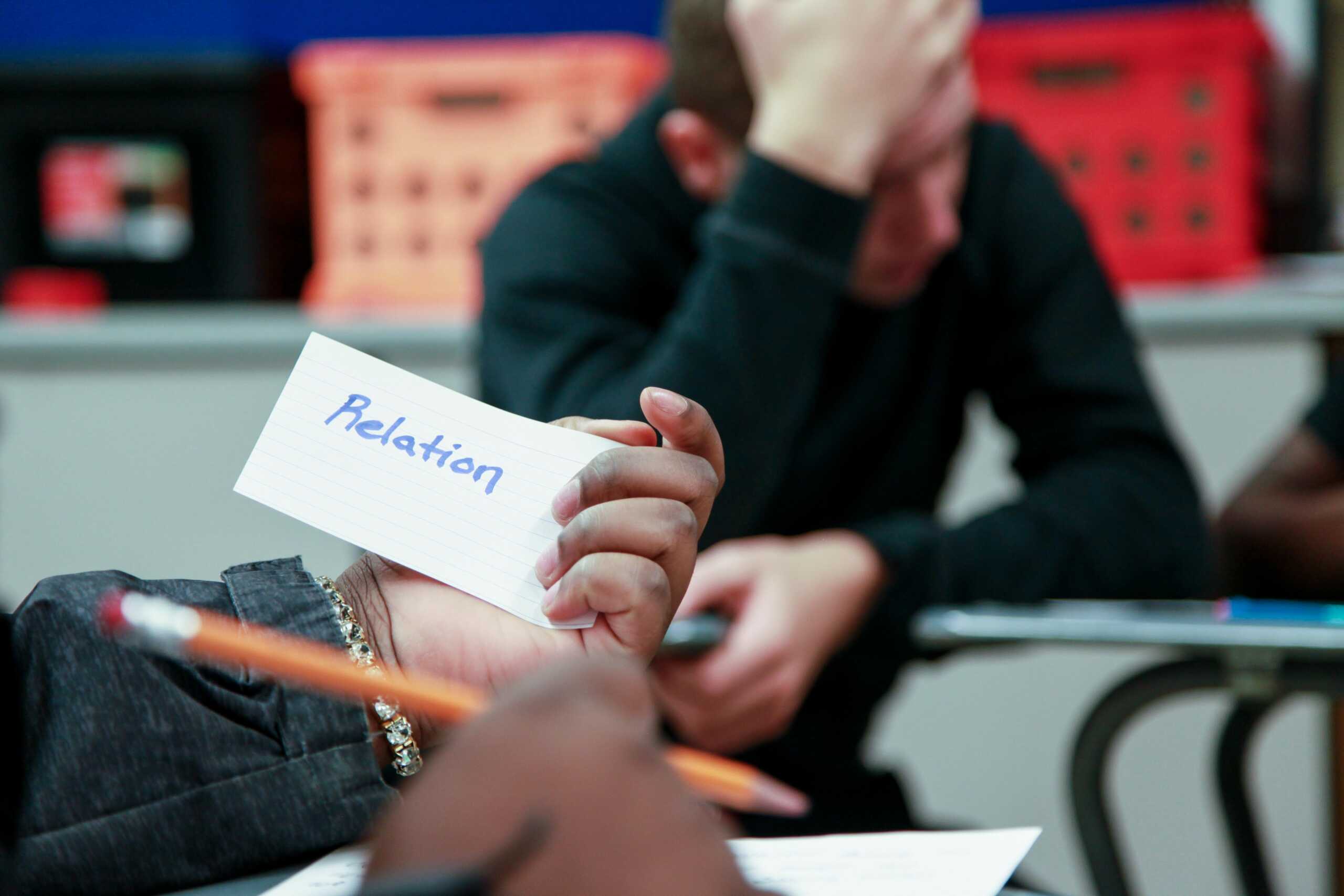
Like me, he was impressed with the fourth-grade classroom he observed using a rap song to learn math concepts. We both noticed how much fun the kids were having while they were learning, a crucial element in creating positive learning experiences.
But as a long-term educator, he noticed something that I had missed. “Sometimes our kids have difficulty in learning the math vocabulary. Here, they’re connecting because they’re having fun. But in the process, the kids are becoming leaders. They’re holding themselves accountable.” In other words, it was the children who were helping to create a positive classroom culture. Of course, the teachers were guiding it, but by empowering their students, the kids took ownership and were self-motivated.

Principal Walker’s assessment of the learning techniques he witnessed was “phenomenal,” but how will this translate back on the ground at Brooklyn Park Elementary? With AEMI’s focus on arts-based learning and its links to other arts/education groups, Principal Walker sees a continued focus on “creating a safe space for learning and exploration.”
“We will continue to work with AEMI, Young Audiences, and its partners to add professional development for our teachers, and incorporate new and creative ways to add arts-based learning into our writing and math classes.”
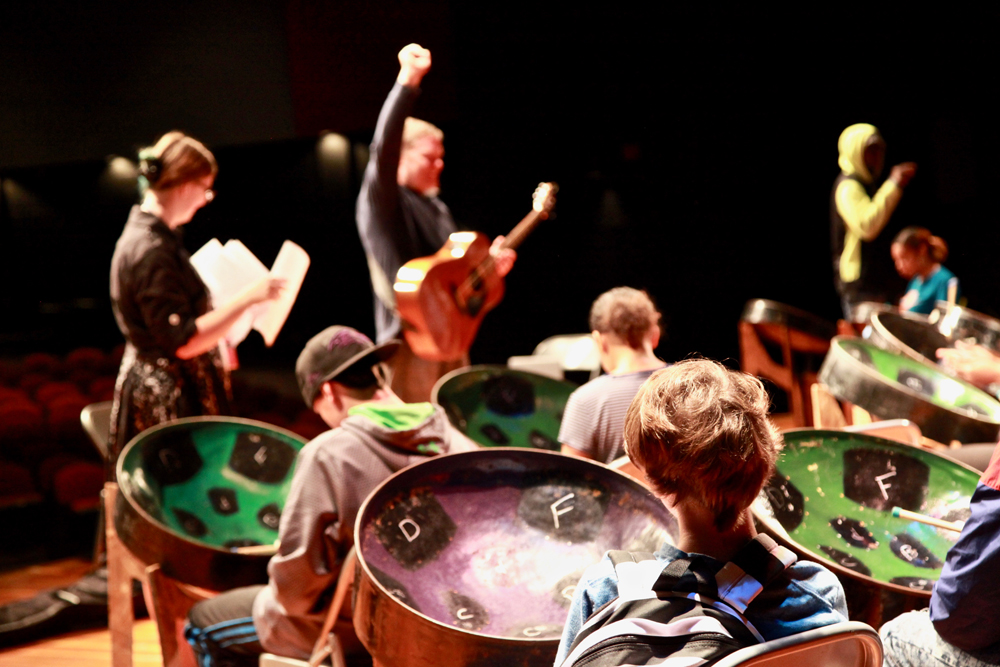
AEMI’s priority is to “increase access to high-quality, arts-integrated learning opportunities…” Though it’s not always easy to quantify any particular program’s impact, there is one thing that Principal Walker is absolutely certain of. That’s the “happy faces” he sees during assemblies with an arts orientation.
As Principal Walker’s enthusiasm for AEMI and its partners show, I suspect that arts-focused education will continue to be a priority at Brooklyn Park Elementary School.
The Arts Empowered Minds Initiative is the combined effort of many groups and individuals seeking to build a movement for increased equity through the arts in their community. With funding from the NEA in 2016, we built partnerships with Anne Arundel County Public Schools (AACPS), Chesapeake Arts Center (CAC), Arts Education in Maryland Schools Alliance (AEMS), Arts Council of Anne Arundel County, and University of Maryland – Baltimore County (UMBC).
Young Audiences Selected as Grantee of Bloomberg Philanthropies’ AIM Program
Young Audiences / Arts for Learning Maryland will participate in $43 million program
Young Audiences announced that it is a grantee recipient of Bloomberg Philanthropies’ Arts Innovation and Management (AIM) program. The invitation-only program seeks to strengthen the organizational capacity and programming of small and mid-size cultural organizations within Atlanta, Austin, Baltimore, Denver, New Orleans, Pittsburgh, and Washington, D.C. Through the $43 million multi-year initiative, Bloomberg Philanthropies will provide unrestricted general operating support as well as arts management training in areas that include fundraising, strategic planning, marketing, and board development.
“We’re incredibly thankful for Bloomberg Philanthropies’ support as we work to infuse and enhance student learning with hands-on arts experiences throughout Maryland,” said Stacie Sanders Evans, Young Audiences/Arts For Learning President and CEO. “This crucial funding will strengthen our organizational capacity and support all of our programs, from year-round arts-integrated classroom residencies to teacher and artist professional development.”
AIM targets arts non-profits because of the vital role that they play in building communities, driving local economies and supporting artists. “The arts inspire people, provide jobs, and strengthen communities,” said Michael R. Bloomberg, founder of Bloomberg Philanthropies. “This program is aimed at helping some of the country’s most exciting cultural organizations reach new audiences and expand their impact.”
Bloomberg Philanthropies will develop curricula and conduct seminars for the program in partnership with leading experts, including the DeVos Institute of Arts Management at the University of Maryland, led by Institute Chairman Michael M. Kaiser and President Brett Egan. AIM organizations will engage in activities that strengthen their long-term health and goals, and will receive one-on-one consultations and implementation support for organization leaders and their boards.
All organizations invited to participate in the 2018 expansion of the AIM program are nonprofits that have been in existence for at least two years. Participating organizations will be required to secure 20% of their AIM grant in matching dollars; reach 100% board participation in fundraising; and maintain up-to-date information in DataArts, an online management tool that assists arts organizations across the country in collecting, learning from, and using data effectively. The grants will be unrestricted to allow recipients to utilize the funds to address their greatest needs.
Since 2011, AIM has helped more than 500 small and mid-sized organizations in all creative disciplines, including theater, visual arts, music, film, literature and dance. Participating organizations reported significant improvements in board development, fundraising and overall income over the two-year program. Watch this video for an overview of the Arts Innovation and Management program:

About Young Audiences/Arts for Learning Maryland
Young Audiences is the nation’s largest arts-in-education provider and started in Baltimore in 1950. As a Young Audiences affiliate, Young Audiences/Arts for Learning (YA) is a nonprofit organization devoted to enriching the lives and education of Maryland’s youth through educational and culturally diverse arts programs for more than 65 years. Each year, YA reaches more than 180,000 students through over 5,000 arts learning experiences by partnering professional artists from all disciplines with schools throughout Maryland for hands-on arts learning experiences. We envision a Maryland where the arts are valued for their capacity to transform lives, and where every student is immersed in opportunities to imagine, to create, and to realize their full potential through the arts. For more information, contact YA at (855) 245-2787 or visit yamd.org.
About Bloomberg Philanthropies
Bloomberg Philanthropies works in over 480 cities in more than 120 countries around the world to ensure better, longer lives for the greatest number of people. The organization focuses on five key areas for creating lasting change: Arts, Education, Environment, Government Innovation, and Public Health. Bloomberg Philanthropies encompasses all of Michael R. Bloomberg’s charitable activities, including his foundation and his personal giving. In 2017, Bloomberg Philanthropies distributed $702 million. For more information, please visit bloomberg.org.